


Rent instead of buying and fewer new things get made, less raw material gets used, less ends up as waste. The average drill is used for just a few minutes in its whole life: sharing one between several people means building fewer of them.
The 10-day rule
A simple way to decide: if you’ll use an item for less than ten days in total, renting almost always wins, for your wallet and for the environment. Above ten days, consider buying, maybe second-hand.
The maths, in practice
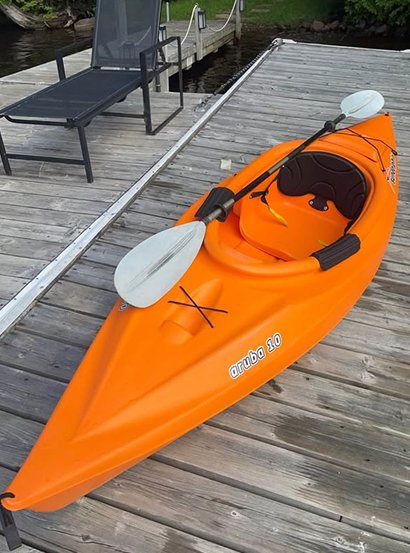
Take a kayak. New, it costs 300–500 €, plus the roof rack, plus somewhere to keep it. If you go out four times a year, each trip cost you nearly 100 € in the first year, and the kayak spends 360 days hanging in the garage. Rented, those same four trips cost 80–120 € in total, no roof rack and no garage. The maths only changes if you’re out every weekend: then buy, maybe second-hand.
Why access beats ownership
One drill shared between ten neighbours replaces nine purchases. Those nine drills never built are steel, plastic and energy saved. Equipment that moves from hand to hand doesn’t gather dust in a basement, and it doesn’t end up in landfill. It’s the circular economy applied to everyday things: the value stays where it is instead of turning into yet another new object.
What to rent instead of buying
Anything you use rarely: DIY and garden tools, camping and ski equipment, bikes and e-bikes for holidays, photo gear, party and event supplies. These are exactly the things that spend most of their time sitting in a basement or garage. Buying them means producing new ones for a few days of use a year; renting them means passing them around among the people who actually need them, when they need them.
The weight of the item you don’t buy
Behind every product there’s a supply chain: extracting the materials, processing, transport, packaging. A drill isn’t just plastic and steel, it’s also the energy to build it and the kilometres to get it to a shop. When ten people pass the same tool around instead of buying ten, that environmental cost is divided by ten. It’s true for tools, and just as true for a tent used one week a year or skis from a single season.
Savings and the environment go together
The convenient part is that you don’t have to choose between your wallet and the planet here. Renting costs less than buying for occasional use, leaves you nothing to dispose of and nothing to find room for. The environmental benefit isn’t a sacrifice: it’s what naturally happens when you use things instead of accumulating them.
Frequently asked questions
Is renting really better for the environment?
Yes: sharing cuts the number of items produced, which means fewer raw materials, less energy and less waste. It’s the circular economy principle applied to everyday objects.
When does renting instead of buying make sense?
The practical 10-day rule: if you’ll use the item for less than ten days in total, renting almost always wins.
What can I rent instead of buying?
Tools, sports and camping equipment, bikes and e-bikes, photo gear, party supplies: anything you only need now and then.
Is renting cheaper than buying?
For occasional use, almost always: you pay only for the days you need instead of the whole item, with no maintenance or disposal costs. For frequent, long-term use, buying can be the better deal.
What else you can rent
The same real rates and the same verified rental shops, for the other categories people look for most in Italy.